At some point in every independent artist's career, someone uses their work without permission, offers them a deal with terms they do not understand, or asks them to sign something that quietly takes more than they realise they are giving away.
Most of the time the artist signs or says nothing because they do not know enough about intellectual property to push back. That is an expensive kind of ignorance.
This is not a legal document and nothing here is a substitute for actual legal advice. What it is, is a plain language explanation of things every creative should understand before they release a single piece of work.
Intellectual Property Is The Category
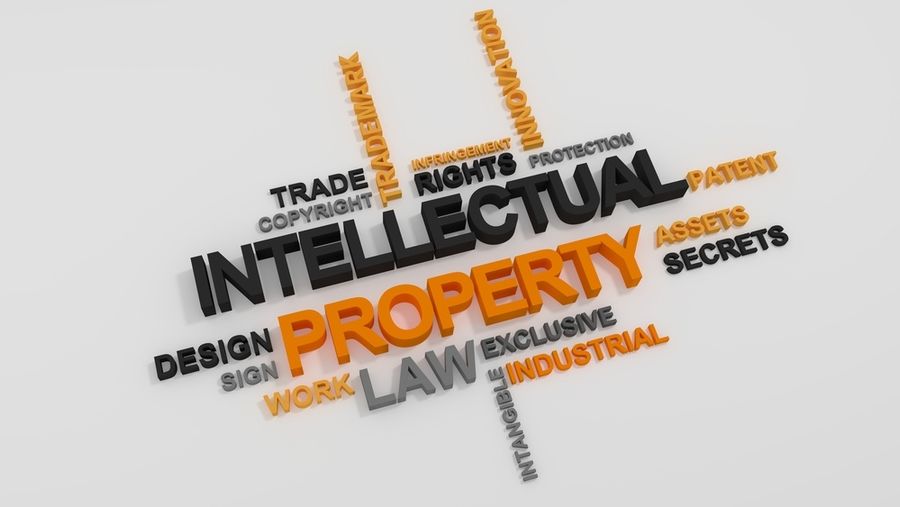
Intellectual property, usually shortened to IP, is the broad legal category that covers creations of the mind. Songs, lyrics, artwork, designs, brand names, written content, software. Anything you create with your mind that has some form of commercial value can potentially be protected as intellectual property.
Copyright is one type of intellectual property protection. Patents are another. Trademarks are another. For most musicians, artists and content creators, copyright is the one that matters most day to day.
What Copyright Actually Does
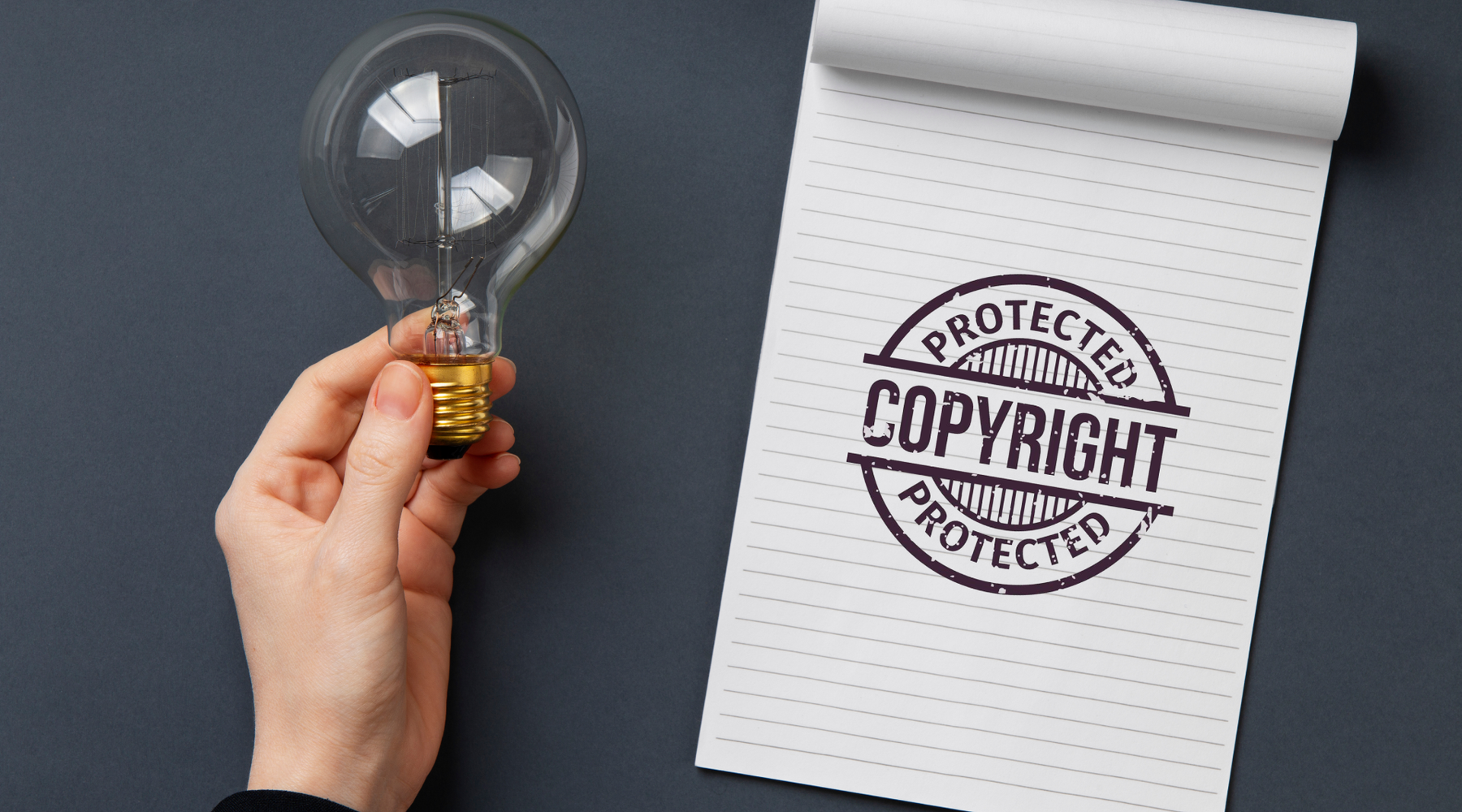
Copyright gives the creator of an original work the exclusive right to control how that work is used, reproduced, distributed, performed and adapted.
In most countries including Nigeria, Rwanda, and across Africa, copyright protection exists automatically from the moment an original work is created and fixed in a tangible form. You do not need to register it. You do not need to put a copyright notice on it. If you wrote the song and recorded it, you own the copyright.
The World Intellectual Property Organization, which manages international IP frameworks across member states and whose resources you can explore at wipo.int, provides extensive guidance on how copyright works across different jurisdictions. The fundamentals are consistent: original work, created by you, fixed in some form, is protected.
The Two Copyrights In A Song
This is where most artists get confused. Every recorded song actually has two separate copyrights.
The first is the composition copyright. This covers the musical composition, meaning the melody and the lyrics. This belongs to whoever wrote the song.
The second is the sound recording copyright, also called the master. This covers the specific recording of the song. This belongs to whoever paid for and owns the recording, which is often a label or a distributor if the artist has signed certain kinds of deals, but can be the artist themselves if they funded their own recording.
Understanding this distinction matters enormously when you sign anything. A deal that gives away your masters is a different thing entirely from a deal that licenses your compositions. Many artists have signed away masters without understanding what that meant until it was too late.
Distribution Does Not Mean Ownership Transfer
This is a critical point that gets missed constantly. When you distribute your music through platforms like TuneCore or DistroKid or The Orchard, which handles distribution for several SIRYUS A.M artists, you are not giving away your copyright. You are licensing the distributor to place your music on streaming platforms on your behalf. The copyright stays with you.
Read the terms. Every distribution agreement is different. Some distributors take a percentage of royalties. Some charge flat fees. Some have terms about exclusivity. None of the reputable ones take ownership of your copyright but reading before you sign is non-negotiable.
What You Should Actually Be Doing
Keep records of everything. Dated drafts, recordings, emails, anything that establishes when you created something and that you created it. In a dispute, evidence of creation timeline matters.
If you are releasing music, register your songs with a performing rights organisation in your country. In Nigeria that is COSON. In South Africa it is SAMRO. These organisations collect royalties on your behalf when your music is played publicly, on radio, in stores, at events. Many independent artists are leaving money on the table because they have never registered.
If you are entering into any agreement that involves your music, your name, your image or your creative work, have someone who understands the legal side look at it before you sign. Not a friend. Not someone who has been in the industry for a long time. Someone who actually understands contract law.
At SIRYUS A.M, part of what we provide artists is guidance on understanding the agreements they are asked to sign. It is not legal advice but it is informed support from people who have read enough contracts to know what the red flags look like. If you want to understand more about how we protect the artists we work with, read about our services at siryushub.com/services.
Your creative work is an asset. Treat it like one.