There is a version of the independent artist story that sounds like this: one person, one vision, no compromise. Just pure creative isolation leading to a masterpiece.
That version is mostly a myth.
The artists, producers, writers and creatives who actually build sustainable careers are rarely working alone. They are building rooms. Inviting people in. Making things together that none of them could have made by themselves.
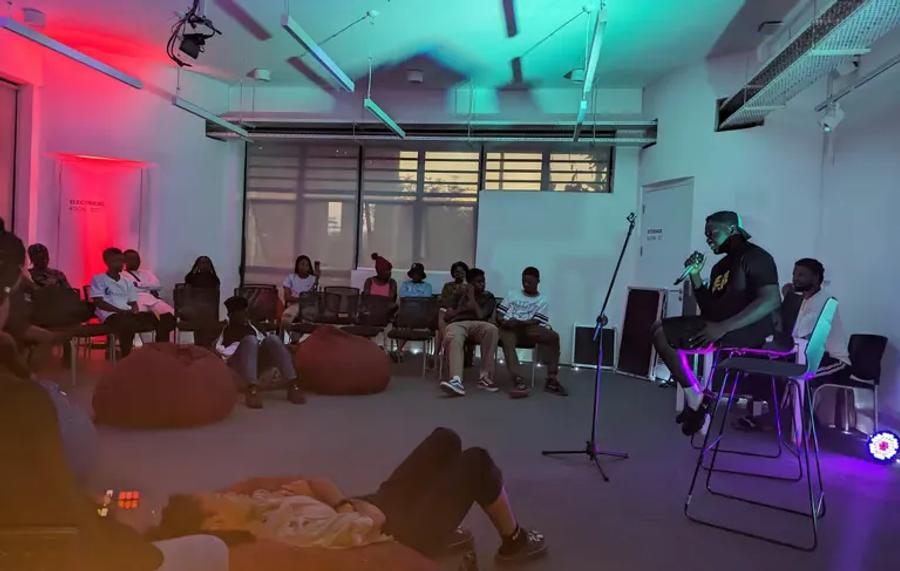
We have seen this up close at SIRYUS A.M. The Indiba Project Series was built on exactly this principle. When you put Hidaya Morgan, Max Prodigy, Couronne, Aine Arsene and Chriss D in the same creative space with mentors like Eddie Hatitye, Julz Ossom and Kofi Black, something happens that no individual session can produce. The music gets bigger. The thinking gets sharper. The careers move faster.
That is not a coincidence. That is what collaboration actually does.
It Fills The Gaps You Cannot See In Yourself
Every creative has blind spots. Things they are not great at, angles they never think to explore, habits that limit what they make without them realising it. Working alone keeps those blind spots invisible.
Collaboration surfaces them. Not because your collaborators are critics but because their instincts are different from yours. A producer who hears your song differently is not wrong. They are showing you a version of your work you had not considered. That is valuable whether you take the note or not.
It Builds The Network Before You Need It
Most artists think about networking as a separate activity from creating. You make the music, then you go out and meet people. That is backwards.
The strongest creative networks are built inside the work itself. The people you collaborate with become your loudest supporters because they have skin in the game. They have made something with you. That relationship is worth more than a hundred cold introductions at a music event.
The Tarama project is a good example of this. When Tarama Rwanda brought together Max Prodigy, Hidaya Morgan, Aine Arsene, Chriss D and Couronne. for a collaborative release, the music was the product but the relationships were the real output. Those connections do not disappear when the project ends.
It Raises Your Standard Without You Noticing
When you work alone you set your own bar. And most of the time that bar is set at whatever feels comfortable.
Working with someone whose standards are different from yours changes that. Not through pressure or competition but through proximity. You see how they approach a problem. You watch how long they are willing to stay in something before they call it done. And slowly without realising it your own standard shifts.
This is one of the things that surprised us most about the Indiba Project Series. Artists came in at one level and left at another. Not because we pushed them. Because they were in the room with people who showed them what else was possible.
The Practical Side Nobody Talks About
Collaboration also makes the business side of creative work easier to navigate. A song with two artists reaches two audiences. A project with a mentor attached opens doors neither party could open alone. A creative partnership can split costs, share platforms and combine followers in ways that make every individual piece of work travel further.
This is especially true for independent artists in Africa who are building without major label infrastructure behind them. The playing field is not level. Collaboration is one of the most effective ways to compete anyway.
How To Actually Make Collaboration Work
Not every collaboration is worth doing. Saying yes to every opportunity to work with someone is just as damaging as working alone. A bad collaboration wastes time, creates confusion around ownership and can damage the relationship with your own audience if the work does not represent you.
The collaborations worth pursuing share three things. First, both parties bring something genuinely different to the table. Not just clout or audience size but a different way of thinking or making. Second, there is a clear reason for the project to exist beyond the fact that two people thought it might be a good idea. Third, both parties are serious about the work, not just the outcome.
When those three things are present, collaboration stops being a strategy and becomes something closer to a creative necessity.
What This Means For You
If you are an independent artist or creative reading this, the question is not whether to collaborate. The question is who with, on what, and why.
Look at the people around you whose work you respect. The ones whose instincts are different from yours. The ones who would push the thing forward rather than just agree with your existing direction.
Start there. Make something. See what comes out of the room that could not have come from either of you alone.
That is where the best creative work lives.
Siryus Creative Media Ltd runs the Indiba Project Series, a music incubator for independent African artists built around collaborative recording, mentorship and structured releases. Applications for the next edition open on Instagram at siryus.am.